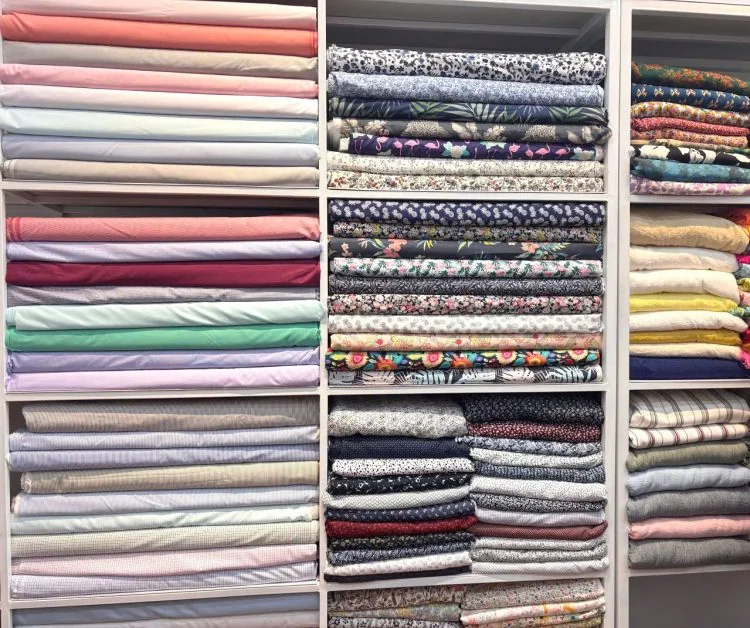
WHICH CLOTH
Which fabric for which garment
| Garment | Choose | Why |
|---|---|---|
| Shirt or blouse | Cotton, linen | Breathable and easy to wash; linen for texture, cotton for a crisper collar. |
| Day dress or jumpsuit | Linen, linen blend, cotton | Cool in the heat and light to pack. Linen blends crease less than pure linen. |
| Trousers | Linen blend, wool blend | Linen blend for Hoi An and summer at home; wool blend for office trousers. |
| Suit to wear at home | Wool blend, pure wool | Holds its shape in a suitcase and across seasons. Pure wool for a suit you will keep for years. |
| Suit to wear in the heat | Linen, tropical-weight wool | Linen for a relaxed summer suit; lightweight wool if you want a sharper line. |
| Occasion dress or gown | Silk, satin, chiffon with lining | Drape and sheen for evening wear. Ask what the lining is; it touches your skin. |
| Overcoat | Pure wool, cashmere blend | Warmth and structure for a coat to take home to winter. |
HEAT AND CREASING
Comfort in the heat and creasing
Two things matter more than anything else when you choose: how cool the cloth is to wear in a tropical climate, and how it looks after a day in a suitcase.
| Fabric | In the heat | Creasing | Price at Bao An |
|---|---|---|---|
| Cotton | Coolest | Moderate | Included in the garment price |
| Linen | Coolest | Creases easily | Quoted in the shop |
| Linen blend | Cool | Moderate | Included in the garment price |
| Wool blend | Warm | Resists creasing | Included in the garment price |
| Pure wool | Warm | Recovers well | Quoted in the shop |
| Silk | Cool | Creases | Quoted in the shop |
| Satin | Moderate | Moderate | Quoted in the shop |
| Chiffon | Cool | Resists creasing | Quoted in the shop |
| Cashmere blend | Hot to wear | Recovers well | Quoted in the shop |
Fabric prices are the published prices from the price list.
ON THE BOLT
How to check a fabric in the shop
- Read the bolt. The end of the bolt or the selvedge usually states the composition and sometimes the mill. If there is no label, ask and have the composition written on your receipt.
- Crumple a corner. Hold it tight for ten seconds and release. Wool springs back; linen stays creased; polyester barely marks. The result should match what you were told.
- Hold it to the light. The weave should be even, with no thin patches or slubs where there should be none.
- Feel the temperature. Natural fibres feel cool at first touch; polyester feels neutral and warms quickly.
- See it made up. Ask for a finished garment in the same cloth. Drape and sheen look different on a body than on a bolt.
Cotton

The everyday choice for Hoi An's climate: breathable, easy to wash, and the least expensive cloth for shirts and simple dresses.
- Fibre
- Cotton
- Weight
- Light to medium (110–180 gsm for shirting)
- Best for
- Shirts and blouses, day dresses, shorts and skirts, unlined jackets
- In the heat
- Coolest
- Creasing
- Moderate
- Care
- Machine wash cool, iron damp. Softens with washing.
- Price at Bao An
- Included in the garment price
What to check in the shop
Hold it to the light: a tight, even weave with no thin patches. Crumple a corner; good cotton recovers slowly but evenly.
Linen

The coolest fabric for Hoi An heat and the classic choice for a summer suit or dress. It creases; choose it for the texture, not for a crisp finish.
- Fibre
- Flax
- Weight
- Light to medium (140–200 gsm)
- Best for
- Summer suits and blazers, day dresses, jumpsuits, trousers
- In the heat
- Coolest
- Creasing
- Creases easily
- Care
- Wash cool, hang to dry, iron while damp. Creases are part of the look.
- Price at Bao An
- Quoted in the shop
What to check in the shop
Look for a slightly irregular slub in the weave; that is real linen. Very smooth, shiny cloth sold as linen is usually a blend or viscose.
Linen blend

Keeps most of linen's coolness with less creasing, at a lower price. A practical middle ground for trousers and blazers you will wear often.
- Fibre
- Linen with cotton or viscose
- Weight
- Light to medium
- Best for
- Trousers, blazers, dresses, jumpsuits
- In the heat
- Cool
- Creasing
- Moderate
- Care
- Wash cool, iron on medium. Creases less than pure linen.
- Price at Bao An
- Included in the garment price
What to check in the shop
Ask for the blend percentage. Linen-cotton keeps the cool hand; linen-viscose drapes more and shines slightly.
Wool blend

The standard suiting fabric in Hoi An: holds a shape, resists creasing in a suitcase, and costs much less than pure wool. Warm to wear in the heat, so it suits a suit you will wear at home.
- Fibre
- Wool with polyester or viscose
- Weight
- Medium (220–280 gsm)
- Best for
- Two- and three-piece suits, lined blazers, trouser suits, waistcoats
- In the heat
- Warm
- Creasing
- Resists creasing
- Care
- Dry clean or spot clean. Hang after wearing, steam rather than iron.
- Price at Bao An
- Included in the garment price
What to check in the shop
Rub the cloth between your fingers: wool blends feel dry and matte; high polyester feels slippery and warm. Ask for the wool percentage and choose 50 percent or more for a jacket.
Pure wool

The upgrade for a suit you will wear for years: better drape, better recovery from creases, and a cleaner finish. Expect a surcharge and confirm the composition on the label.
- Fibre
- 100 percent wool
- Weight
- Medium (240–300 gsm); lighter tropical weights exist
- Best for
- Suits for work and weddings, overcoats, blazers
- In the heat
- Warm
- Creasing
- Recovers well
- Care
- Dry clean. Brush and hang; wool recovers from creases overnight.
- Price at Bao An
- Quoted in the shop
What to check in the shop
Check the selvedge or the bolt label for the mill name and composition. Crumple the cloth firmly: pure wool springs back with few marks.
Silk

The traditional luxury cloth of Hoi An and the right choice for an occasion dress or ao dai. Shows every seam, so it rewards a careful tailor.
- Fibre
- Silk
- Weight
- Light (16–22 momme for dresses)
- Best for
- Occasion dresses, blouses, ao dai, linings
- In the heat
- Cool
- Creasing
- Creases
- Care
- Hand wash cool or dry clean. Keep away from direct sun; iron on low, inside out.
- Price at Bao An
- Quoted in the shop
What to check in the shop
Real silk is cool to touch and warms quickly in the hand; it has a soft, uneven sheen rather than a plastic shine. Ask whether it is silk or a silk blend and have it written on the receipt.
Satin

The smooth, glossy choice for evening wear. Choose silk satin for comfort in the heat or polyester satin for price and easy care.
- Fibre
- Polyester or silk, satin weave
- Weight
- Light to medium
- Best for
- Evening dresses, gowns, wedding guest dresses
- In the heat
- Moderate
- Creasing
- Moderate
- Care
- Hand wash or dry clean depending on fibre. Iron low on the reverse.
- Price at Bao An
- Quoted in the shop
What to check in the shop
Satin is a weave, not a fibre: ask whether it is silk satin or polyester satin. Polyester satin costs less and resists creasing; silk satin breathes better.
Chiffon

Sheer and light, used for movement in dresses and gowns. Always lined, so the lining fabric matters as much as the chiffon.
- Fibre
- Polyester or silk, sheer plain weave
- Weight
- Very light
- Best for
- Flowing dresses, overlays and sleeves, floor-length gowns
- In the heat
- Cool
- Creasing
- Resists creasing
- Care
- Hand wash cool, drip dry, iron on the lowest setting.
- Price at Bao An
- Quoted in the shop
What to check in the shop
Hold it up: it should be evenly sheer with no snags. Chiffon dresses are usually lined; check what the lining is made of.
Cashmere blend

For an overcoat to take home to a cold winter. Soft, warm and expensive; worth it only for a coat you will wear for years.
- Fibre
- Wool with cashmere
- Weight
- Medium to heavy (300–450 gsm)
- Best for
- Overcoats, winter blazers
- In the heat
- Hot to wear
- Creasing
- Recovers well
- Care
- Dry clean. Store folded with cedar; brush after wearing.
- Price at Bao An
- Quoted in the shop
What to check in the shop
Feel for softness and a slight halo on the surface. Ask the cashmere percentage; 10 to 30 percent is typical for coating.
Weave illustrations, not photographs of our cloth. Photographs of the bolts on the shelves are being added.
YOUR OWN CLOTH
Bringing your own fabric
If you have cloth from home or from the Hoi An cloth market, many shops will sew it for a making-only price. Ask before you buy, because some shops only work with their own cloth, and bring a little more than the pattern needs: a two-piece suit takes about 3 metres of 150 cm-wide cloth, a dress 2 to 3 metres depending on length. At Bao An, send a photo of the fabric and the garment you want by WhatsApp and the team will tell you whether it will work.
COMMON QUESTIONS
Fabric questions
What is the best fabric for Hoi An weather?
Linen, then cotton. Both breathe, dry quickly and feel cool. Linen blends keep most of the coolness with less creasing. Save wool suits for wearing at home unless you choose a lightweight tropical wool.
Can I bring my own fabric to a Hoi An tailor?
Many shops accept fabric you bring, usually for a making-only price. Ask before you buy the cloth, because some shops only sew their own. At Bao An Tailor, message the team with a photo of the fabric and the garment you want.
How do I know if a fabric is real silk or linen?
Real linen has a slightly uneven, slubbed weave and creases when crumpled. Real silk feels cool at first touch, warms in the hand and has a soft rather than plastic shine. Ask for the composition and have it written on the receipt.
Does the fabric change the price?
Yes, after the garment itself it is the biggest factor. Cotton and standard blends are usually included in the quoted price; linen, silk, pure wool and cashmere blends carry a surcharge. The price list shows the surcharge for each fabric at Bao An Tailor.
Which fabric travels best in a suitcase?
Wool and wool blends recover from creases overnight when hung. Polyester satin and chiffon pack small and resist creasing. Pure linen creases the most; fold it loosely and steam it on arrival.
Should I choose a lined or unlined jacket for the heat?
Unlined or half-lined in linen or cotton for Hoi An and summer wear. Fully lined wool-blend jackets look sharper but are warm; choose them for a suit you will wear in cooler climates.
ABOUT THIS LIBRARY
About this library
Fabric descriptions apply to any Hoi An tailor. The shelves, photographs and prices are those of Bao An Tailor, two shops in Hoi An at 341 Nguyen Duy Hieu and 2/6 Le Loi, open daily, 8:30 AM–8:30 PM. What is on the shelves changes: a fabric shown here may have gone and new bolts arrive without notice, so if a particular colour matters, ask before you visit. For the full process, read the Hoi An tailor guide.