Can a Hoi An tailor copy clothes from a photo? What works
Walk into any Hoi An tailor with a photo on your phone and the answer will be yes. Most shops make a large share of their garments from references the guest brings, and it is the natural way to use a tailor: show the thing you wish you owned, in your size, in a fabric you chose. The result can be excellent. It can also disappoint, and the difference is almost always in what you brought and how you explained it.
What you will actually get
A tailor working from a photo makes a garment in the same style: the silhouette, the length, the neckline, the number of buttons, the pocket shape. What they cannot do is see the pattern pieces inside the photo, feel the weight of the original fabric or know how it was constructed. So the result is a new garment in that style, cut to you, in the cloth you chose from the shelf. Treat it as that and you will be pleased. Expect a replica and you will spot every difference.
Three things never translate from a photo: printed or woven patterns specific to a brand, construction you cannot see (a floating canvas, a bonded hem, a hidden stretch panel), and the way a particular fabric drapes. If the thing you love about the garment is one of those, a photo is not enough.
Choosing photos that work
Front and back views, on a body, in daylight. A garment on a hanger hides the fit, and a garment in a dim bar hides the colour. Shop websites are the best source because they photograph from several angles on a model whose height is often stated.
Add a close-up of any detail that matters to you: the collar, the cuff, the pocket, a seam line. The tailor will not guess which detail you care about; say it.
Bring two or three, not twenty. Three photos of one garment make a brief. Twenty photos of different garments make a mood board, and the shop will pick the easiest one.
If you want a colour that is not in the photo, say so and point to a bolt. "Like this, but in the navy on the second shelf" is a complete instruction.
Explaining the brief
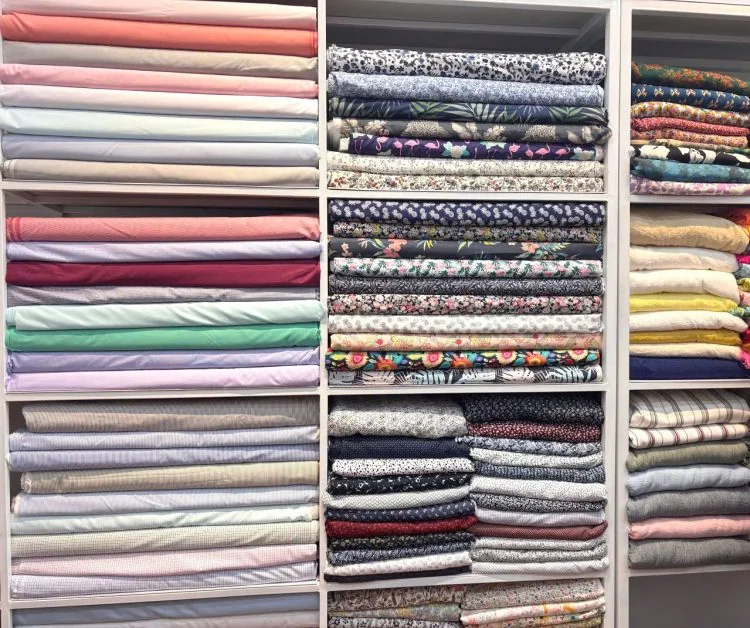
Tell the shop three things. First, what you want kept: "the wide leg and the high waist." Second, what you want changed: "shorter, to the ankle, and with pockets." Third, where you will wear it: "a wedding in the evening" means a different fabric and lining from "walking around the old town." The fabric library helps you choose cloth that behaves the way the original did.
Then ask what the tailor sees in the photo that you might not. A good one will point out that the dress in the picture is bias cut and will only drape that way in a fluid fabric, or that the jacket's shoulders are padded in a way that suits the model but may not suit you. That conversation is the whole value of a tailor; if the shop simply says yes to everything, be wary.
The garment itself beats any photo
If you own something that fits well and you want more of it, pack it. The tailor can measure the pattern directly, see the seams and interfacing, and weigh the fabric. A copy from a garment is as close to a true copy as Hoi An gets, and it takes less time at the fitting because the fit is already proven. Many repeat visitors travel with one favourite shirt or dress for exactly this purpose.
Bring it clean and pressed, and be clear about any changes. "The same, but a size up in the chest" is easy. "The same, but longer, slimmer and with different sleeves" is a new garment that happens to start from yours.
Words that help in the shop
Most Hoi An tailors speak working English, and a few precise words save a lot of pointing. Necklines: crew, V, square, halter, boat, sweetheart. Sleeves: cap, short, three-quarter, long, puff, raglan. Dress shapes: wrap, A-line, sheath, fit-and-flare, slip, maxi, midi. Trouser legs: wide, straight, tapered, cropped, flared, and the rise (high, mid, low). Jackets: single or double breasted, notch or peak lapel, one, two or three buttons, single or double vent, patch or flap pockets. If you say "a wrap midi with three-quarter sleeves in the navy linen," the tailor can repeat it back and you both know what is being made.
What a tailor should refuse
Logos, labels, embroidered monograms of a brand, and trademarked prints. A reputable shop will make a suit in the cut of a famous house but will not sew in its label, and you should not ask. The cut, the proportion and the colour are fair; the brand is not.
Checking the result at the fitting
Compare, in this order: the overall silhouette against the photo at arm's length; the proportions (where the waist sits, how long the jacket is, how wide the leg); then the details. Small differences in detail are normal. A difference in silhouette means the brief was misread, and the fitting is the moment to say so. Bring the photo to the fitting; do not rely on memory.
Starting from a style on this site
The 47 styles on this site exist for this purpose: each is a garment Bao An Tailor has made before, with the pattern already worked out, so it is a safer starting point than a photo of a garment the shop has never seen. Choose the closest one, note the style number, and bring your photo to show the changes. Bao An's made from your own reference service covers both routes.
FAQ
Will the copy be exactly like the photo?
No. You will get a garment in the same style, in your size and in the fabric you choose. Branded details, printed fabrics and complex construction are not reproduced. Think of the photo as a brief, not a blueprint.
What photos should I bring?
Front and back, in good light, on a body rather than on a hanger. Add a close-up of any detail you care about. Screenshots from a shop website are ideal because they usually show the garment from several angles.
Is it better to bring the actual garment?
Much better. The tailor can measure the pattern directly, see the construction and feel the fabric weight. Many visitors pack a favourite piece for exactly this reason.
Can a Hoi An tailor copy a designer suit or dress?
They can make a suit or dress in that style. They cannot and should not reproduce logos, labels or trademarked patterns. The cut, the proportions and the colour are fair game.